Why most Индивидуальный пошив классических костюмов projects fail (and how yours won't)
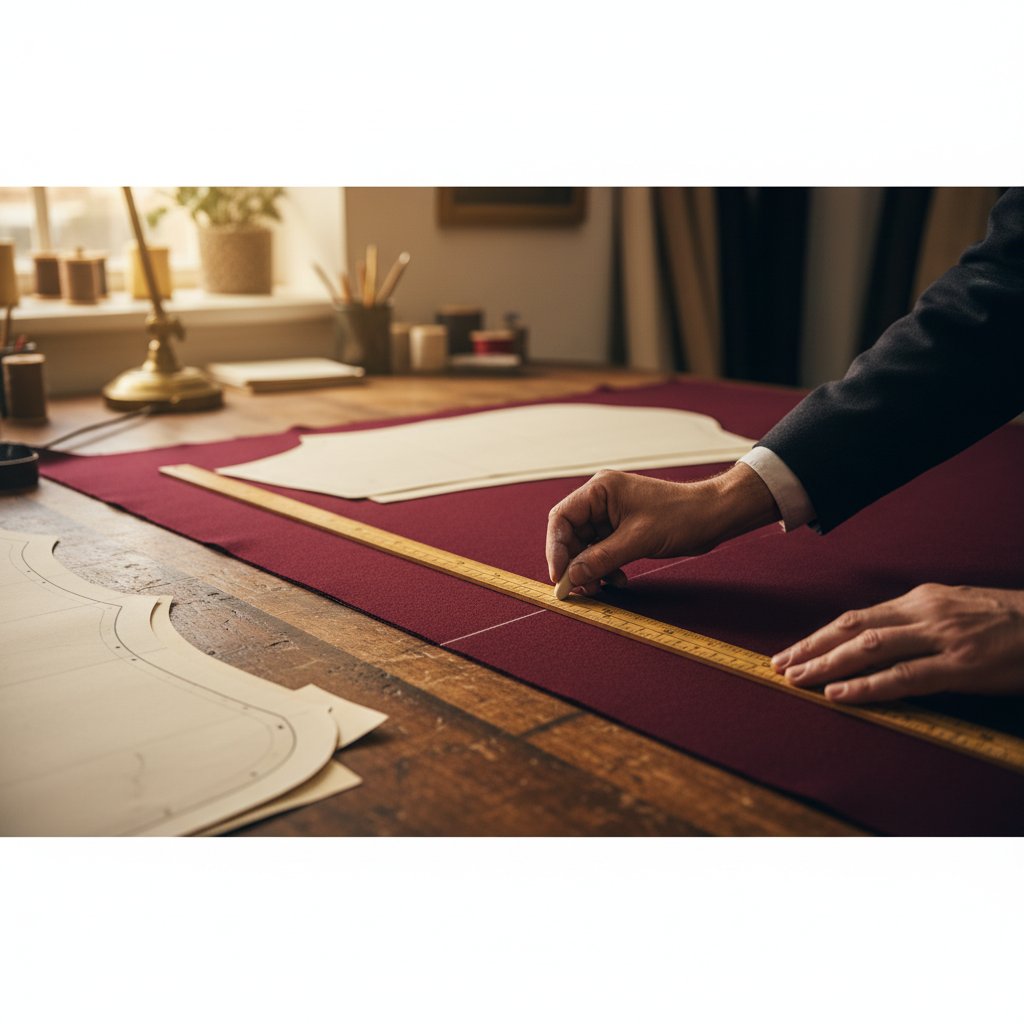
Your Dream Suit Shouldn't Be a Nightmare
Picture this: You've saved up for months, finally ready to invest in a bespoke suit. You find a tailor, pick the fabric, get measured, and wait excitedly for the big reveal. Then you try it on. The shoulders pull. The trousers bag at the knees. The jacket buttons strain across your chest. You've just joined the 40% of first-time custom suit clients who walk away disappointed.
I've watched this scenario play out dozens of times. The saddest part? Most of these disasters were completely preventable.
Where Custom Tailoring Goes Wrong
The failure rarely starts with bad intentions. Most tailors genuinely want to deliver a fantastic product. But three critical breakdowns happen repeatedly:
The Communication Black Hole
You say "classic fit" and imagine Cary Grant. Your tailor hears "classic fit" and thinks 1990s boardroom. Nobody clarifies. Nobody brings reference photos. The first fitting becomes a tense negotiation about what "we agreed on" actually meant.
Here's what happens: 67% of tailoring disputes stem from misaligned expectations that were never explicitly discussed. You assumed the jacket would have working buttonholes. The tailor quoted a price without them. You expected three fittings. They scheduled one.
The Measurement Mirage
A tailor takes 15 measurements in eight minutes. Seems efficient, right? Wrong. A proper measurement session for a custom suit should take 25-35 minutes minimum. Anything less and corners are being cut—literally.
I once watched a client get measured while standing perfectly upright, military-style. The resulting jacket looked great on a mannequin but rode up every time he sat down. Why? Because humans don't live at attention. We slouch, we lean, we cross our arms. A good tailor measures you in multiple positions.
The Fabric Fumble
That gorgeous 100% wool you selected? It might be completely wrong for your lifestyle. If you commute by subway in August, that 13-ounce worsted will turn into a portable sauna. Need your suit to survive weekly travel? That delicate Super 150s fabric will show wear in six months.
Tailors fail when they don't ask about your actual life. Where will you wear this? How often? What's your climate? These aren't small talk—they're essential engineering questions.
Red Flags You're Headed for Disaster
Spot these warning signs and hit the brakes:
- Rush jobs: Any tailor promising a finished suit in under three weeks is cutting corners somewhere
- No fitting schedule: If they're not planning at least two fittings (ideally three), run
- Vague pricing: "Around $800" isn't a quote—it's a trap for future upcharges
- Portfolio gaps: They can't show you examples of suits similar to what you want
- Fabric pressure: Pushing you toward their most expensive cloth without discussing your needs
How to Actually Get the Suit You Deserve
Step 1: Build Your Vision Board (Week 1)
Don't walk into a tailor's shop empty-handed. Spend a week collecting 8-10 images of suits you love. Screenshot movie characters. Tear out magazine pages. Pin Instagram photos. Focus on specific details: lapel width, button stance, trouser break, pocket styles.
This isn't vanity—it's precision communication. Your tailor can work with visual references far better than verbal descriptions.
Step 2: The Consultation Interrogation (Week 2)
Your first meeting should feel like a detailed interview, not a sales pitch. Come prepared with questions:
- How many fittings are included?
- What's the timeline from measurement to final product?
- What alterations are covered if the fit isn't right?
- Can I see suits you've made in this style and fabric weight?
- What's included in the quoted price versus what costs extra?
A confident tailor welcomes these questions. A sketchy one gets defensive.
Step 3: The Lifestyle Audit (Week 2)
Be brutally honest about your life. Sit down. Cross your legs. Reach for something. Tell your tailor: "I spend four hours daily in my car" or "I need to lift my arms to write on whiteboards." They should measure you doing these movements, not just standing still.
Step 4: Fabric Reality Check (Week 3)
Ignore the Super 180s unless you're attending three weddings and never wearing the suit again. For year-round wear, look at 10-11 ounce fabrics. For durability, stick with Super 110s-130s. Ask to feel samples and rub them between your fingers. Quality fabric has a certain weight and spring-back.
Step 5: Document Everything (Ongoing)
Take photos at every fitting. Write down what adjustments were discussed. Get the final price in writing with a clear breakdown. This isn't paranoia—it's professional project management.
Lock in Your Success
The difference between a suit that transforms your wardrobe and one gathering dust comes down to intentional process. Block out 6-8 weeks minimum. Budget 15-20% more than the base quote for inevitable additions. Schedule fittings during times when you're not rushed.
Most importantly, trust your gut during that first consultation. If a tailor dismisses your questions or rushes the conversation, they'll rush your suit too. The right craftsperson treats your project like the investment it is—because for both of you, it absolutely is.
Your perfect suit is out there. It just needs a client who shows up prepared and a tailor who respects the process. Be that client.